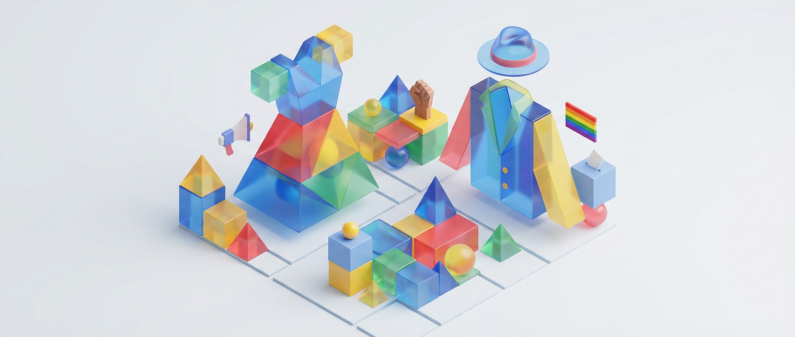
The Uniform of Dissent
Walk into any gentrifying neighborhood and you’ll spot them immediately: the carefully curated “effortless” looks that cost three months’ rent, the designer distressing that mimics authentic wear patterns, the mass-produced rebellion sold back to us by the same corporations we’re supposedly rejecting. But scratch beneath this commodified surface and you’ll find something far more interesting: genuine subcultural movements using fashion as a language of resistance, community building, and identity formation.
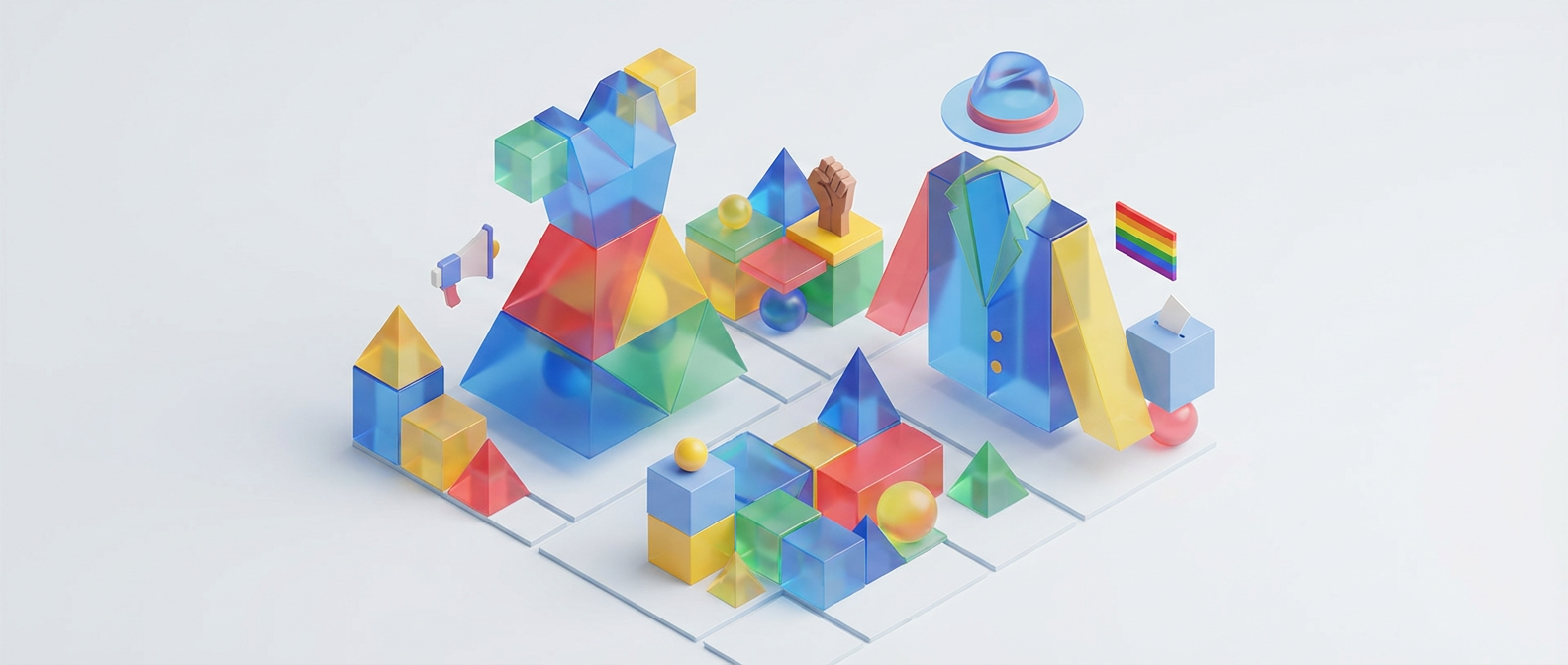
Fashion has always been political, but we’re living through a particularly charged moment where clothing choices carry weight that honestly surprises me sometimes. From mutual aid networks creating their own aesthetic codes to climate activists reimagining consumption through radical mending practices, underground fashion movements are writing manifestos in fabric and thread. These aren’t just style choices. They’re ideological positions made visible on the body.
The most compelling fashion movements today understand that authenticity can’t be manufactured. They emerge from genuine community needs, shared values, and collective imagination. While mainstream fashion scrambles to co-opt their visual languages, these movements keep changing, staying one step ahead of corporate capture through constant reinvention and fierce protection of their cultural DNA.

Mapping the Underground
Subcultural fashion today resists easy categorization, but certain patterns emerge when you know where to look. In Detroit’s techno scene, utilitarian workwear has become a sophisticated exploration of post-industrial identity, with custom modifications that speak to both the city’s manufacturing heritage and its electronic music innovation. These aren’t costumes. They’re functional expressions of a community that values craftsmanship, durability, and sonic experimentation.
The solarpunk movement has generated an entirely new aesthetic vocabulary around sustainability and optimism. Their fashion philosophy centers on visible mending, natural dyes, and garments designed for adaptability across seasons and situations. What looks like simple clothing often represents hours of research into low-impact materials, traditional techniques, and closed-loop production systems. Every outfit becomes a small act of environmental activism.
The ballroom scene continues pushing boundaries around gender expression and luxury reimagining, creating high-concept looks from thrift store finds and stolen corporate materials. Their fashion philosophy treats glamour as a form of resistance, using beauty and spectacle to claim space in a world that often denies their existence. Each category walk becomes a masterclass in resourcefulness, creativity, and the transformative power of presentation.
Perhaps most interesting is a new wave of anti-fashion movements rejecting aesthetic labor entirely. These communities embrace intentional invisibility, developing clothing systems focused purely on function, comfort, and ethical production. Their uniform-like approaches challenge fashion’s fundamental premise that personal expression requires constant visual novelty.
The Economics of Authenticity
Nothing kills a movement faster than venture capital, but that’s exactly what’s happening to underground fashion at an accelerating pace. The same platforms that help subcultures connect and organize also work as early warning systems for trend forecasters and brand scouts. An aesthetic that takes years to develop within a community can be stripped, sanitized, and mass-produced within months.
This creates constant tension between visibility and preservation. Communities want to share their innovations, build connections across geographic boundaries, and attract new members. But increased visibility inevitably attracts extractive attention from corporations looking for the next big thing to monetize. The most successful subcultural movements have developed sophisticated strategies for managing this exposure.
Some communities create deliberate barriers to entry, requiring cultural education or community service before full participation. Others embed their aesthetic choices so deeply in local context and shared experience that surface-level copying becomes obviously hollow. The smartest movements build economic systems that benefit their members directly, whether through cooperative production, skill-sharing networks, or alternative currency systems.
Direct-to-consumer platforms have created new opportunities for subcultural fashion entrepreneurs to maintain control over their work while reaching broader audiences. But this democratization comes with its own challenges, as successful underground designers face pressure to scale up in ways that compromise their original vision or community connections.
Beyond Aesthetics
The most powerful fashion movements today understand that style choices are inseparable from broader questions of identity, community, and social change. Take the growing movement around adaptive fashion for disabled bodies, which has generated innovative design solutions that benefit everyone while challenging ableist assumptions about “normal” bodies and movement patterns.
Indigenous fashion movements are reclaiming traditional techniques and materials while addressing questions of cultural appropriation, environmental stewardship, and economic sovereignty. Their work demonstrates how fashion can work as a vehicle for cultural preservation, community healing, and political resistance simultaneously.
The intersection of fashion and digital culture has opened entirely new territories for experimentation. Virtual fashion allows for impossible garments that exist only in digital spaces, while augmented reality tools enable real-time customization and community collaboration. These technologies aren’t just changing how fashion is made, they’re expanding what fashion can be and do.
Perhaps most importantly, contemporary fashion movements are increasingly conscious of their global supply chains and environmental impacts. The most innovative communities are developing new models for production, distribution, and disposal that prioritize ecological health over profit maximization. Their experiments in biodesign, circular economy principles, and post-growth fashion philosophy may offer blueprints for industry-wide transformation.
The Next Wave
As climate change accelerates and economic inequality deepens, fashion’s role as a site of political expression will only intensify. The communities developing alternative approaches today are positioning themselves to lead broader cultural shifts around consumption, identity, and community organization. Their innovations in material culture may prove essential as we navigate the challenges ahead.
The most exciting developments are happening at the margins, in communities that mainstream culture hasn’t discovered yet. These movements understand that real change requires more than aesthetic innovation. It demands new ways of organizing economic relationships, sharing knowledge, and building solidarity across difference.
What fascinates me most about underground fashion movements is their refusal to separate style from substance. They’re proving that how we dress and how we live are fundamentally connected, and that both can be sites of creativity, resistance, and transformation. If you’re paying attention to what people are wearing in the spaces that don’t make it into trend reports, you’re getting a preview of where we’re all heading.