When CVS Becomes a Cultural Graveyard
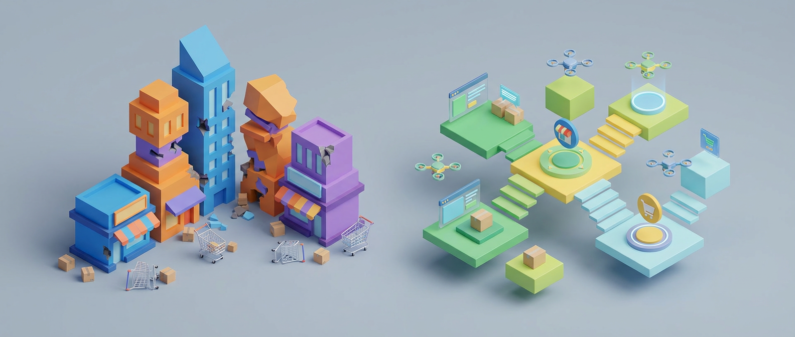
Drive through any American suburb and witness the archaeological layers of retail’s collapse. That CVS occupying the corner where Tower Records once thrived. The Starbucks squatting in what used to be an independent bookstore. The endless strip malls punctuated by urgent care clinics and phone repair shops, like cultural dental work filling the gaps left by extraction.
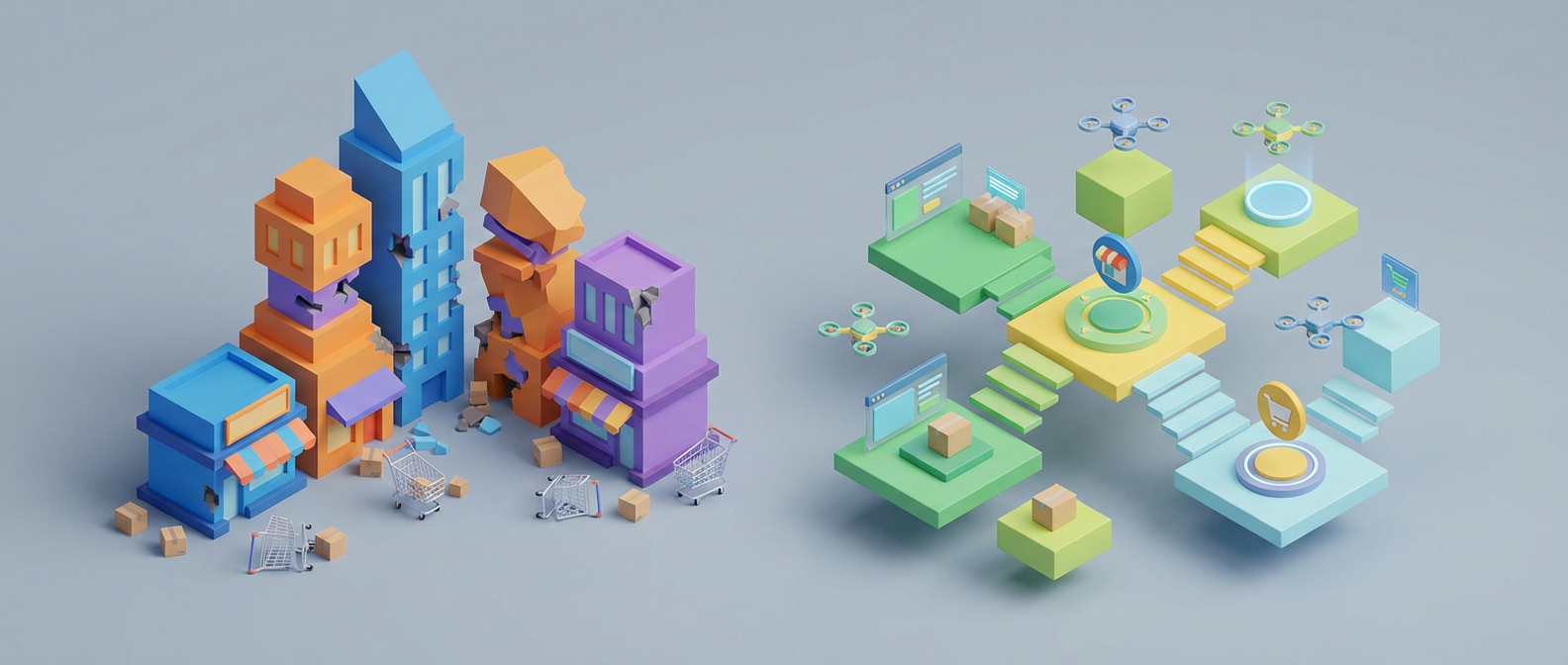
The retail apocalypse isn’t just about Amazon killing Borders or fast fashion strangling department stores. It’s about the systematic hollowing out of spaces where subcultures could gestate, cross-pollinate, and find their people. Those record stores weren’t just selling CDs, they were curating communities. The vintage clothing shops weren’t just moving merchandise, they were preserving and remixing cultural DNA.
But here’s what the business journalists miss when they obsess over quarterly earnings and foot traffic: culture abhors a vacuum. While venture capitalists throw billions at the next delivery app that promises to optimize away human interaction, something more interesting is happening in the margins. The same creative communities that gave us punk rock and street art are now experimenting with entirely new forms of commerce.
The Warehouse Economics of Cool
Three months ago, I stumbled into a converted shipping container in an industrial district that most people only know as GPS coordinates. Inside, a collective of artists had built something between a gallery, a boutique, and a social experiment. No cash registers. No inventory systems. Just QR codes linking to Venmo accounts and a honor-system price list scrawled on recycled cardboard.
This isn’t some hipster cosplay of poverty aesthetics. It’s a deliberate rejection of the extractive retail model that treats both creators and consumers as resources to be optimized. The overhead is minimal because the space is borrowed, negotiated, or squatted. The curation is intentional because everyone involved has skin in the game. The community is real because it has to be. Without brand recognition or marketing budgets, word of mouth is everything.
Similar experiments are sprouting everywhere if you know where to look. Pop-up markets that operate like traveling festivals. Artist collectives that function as rotating boutiques. Clothing swaps that have evolved into elaborate gift economies. These aren’t just alternative retail spaces. They’re testing grounds for post-capitalist commerce.
The economics are fascinating because they’re not really about economics at all. When your rent is split twelve ways and your marketing budget is zero, you can afford to prioritize things that traditional retail considers luxuries: craftsmanship, sustainability, community building, cultural preservation. You can take risks on weird, beautiful things that would never survive focus group testing.
Digital Nomads Meet Analog Rebels
The internet was supposed to democratize commerce, and in some ways it did. Platforms like Etsy, Depop, and Bandcamp gave independent creators direct access to global markets without needing a record deal or a storefront. But the same algorithms that promised to connect creators with their audiences also homogenized them, pushing everyone toward the same viral aesthetics and engagement metrics.
The most interesting alternative commerce models are now hybrid creatures, using digital tools to enable analog experiences. Discord servers organizing IRL clothing swaps. Instagram accounts that exist primarily to promote underground markets. TikTok creators building audiences around thrift flips and DIY tutorials, then monetizing through Patreon and limited drops rather than brand partnerships.
Consider the rise of the “link in bio” economy. Creators are using social media platforms as discovery engines, then directing followers to independent platforms where they can actually build sustainable relationships with their communities. Substack for writers, Gumroad for digital artists, Bandcamp for musicians, Patreon for everyone. These platforms take a cut, sure, but they’re designed around creator ownership rather than algorithmic extraction.
The savviest operators are going even further, building their own membership sites and email lists. They understand that platform dependency is just another form of digital sharecropping. The goal isn’t to go viral, it’s to build a thousand true fans who will follow you from platform to platform, venue to venue, project to project.
The Mutual Aid Marketplace
Perhaps the most radical experiment happening right now is the blurring of lines between commerce and community care. What starts as a clothing swap evolves into a skill share. What begins as a pop-up market becomes a mutual aid network. The same people selling handmade jewelry are also organizing tenants’ rights meetings and community gardens.
This isn’t charity, it’s a different model of value creation altogether. When your local scene includes artists, hackers, organizers, and service workers, you start to see opportunities for horizontal exchange that bypass traditional market mechanisms entirely. The DJ gets free tattoo work in exchange for providing music for the artist’s opening. The seamstress repairs clothes in exchange for fresh vegetables from the urban farmer. Currency flows, but so do relationships, skills, and care.
Some of the most sophisticated examples are emerging from communities that have always been excluded from mainstream commerce. Queer and trans folks who faced discrimination in traditional retail spaces. Immigrant communities whose cultural products never made it into mainstream stores. Black and brown creators whose work was consistently undervalued by traditional galleries and boutiques.
These communities didn’t just create alternative marketplaces, they created alternative value systems. Success isn’t measured only in dollars but in cultural preservation, community building, and collective liberation. The commerce is embedded in broader political projects of resistance and resilience.
Beyond the Binary of Selling Out
The old model was binary: you were either underground or mainstream, authentic or commercial, pure or compromised. But the most interesting creators are now operating in the spaces between these categories, building sustainable practices that don’t require choosing between artistic integrity and paying rent.
They’re creating limited edition drops that sell out instantly to devoted communities rather than mass-producing for department stores. They’re using crowdfunding to maintain creative control rather than seeking traditional investment. They’re building brands around values and relationships rather than just products and profits.
This isn’t anti-capitalism so much as post-capitalism: acknowledging that market mechanisms can be useful tools while refusing to let market logic colonize every aspect of creative and community life. The goal isn’t to destroy commerce but to embed it back into social relationships, cultural practices, and ecological systems.
The retail apocalypse cleared the landscape, but it also created space for experimentation. In abandoned storefronts and converted warehouses, in digital platforms and street corners, new forms of exchange are taking root. They’re smaller, weirder, more personal than what came before. They require more from both creators and consumers: more intention, more relationship, more care. But they’re also more alive, more connected to the communities they serve and the cultures they emerge from.
What alternative commerce models are you seeing in your scene? I’m always curious about experiments happening in spaces I haven’t discovered yet, especially if they’re doing something that challenges my assumptions about how culture and commerce intersect.