When Geography Stopped Mattering
The neighborhood record store where teenagers once gathered to debate album rankings has given way to Discord servers with thousands of members. The local comic book shop that was ground zero for heated superhero debates now exists primarily in digital spaces where fans craft elaborate theories across time zones. What happened over the past two decades isn’t just a migration from physical to virtual spaces. It’s the complete restructuring of how cultural communities form, sustain themselves, and make money.
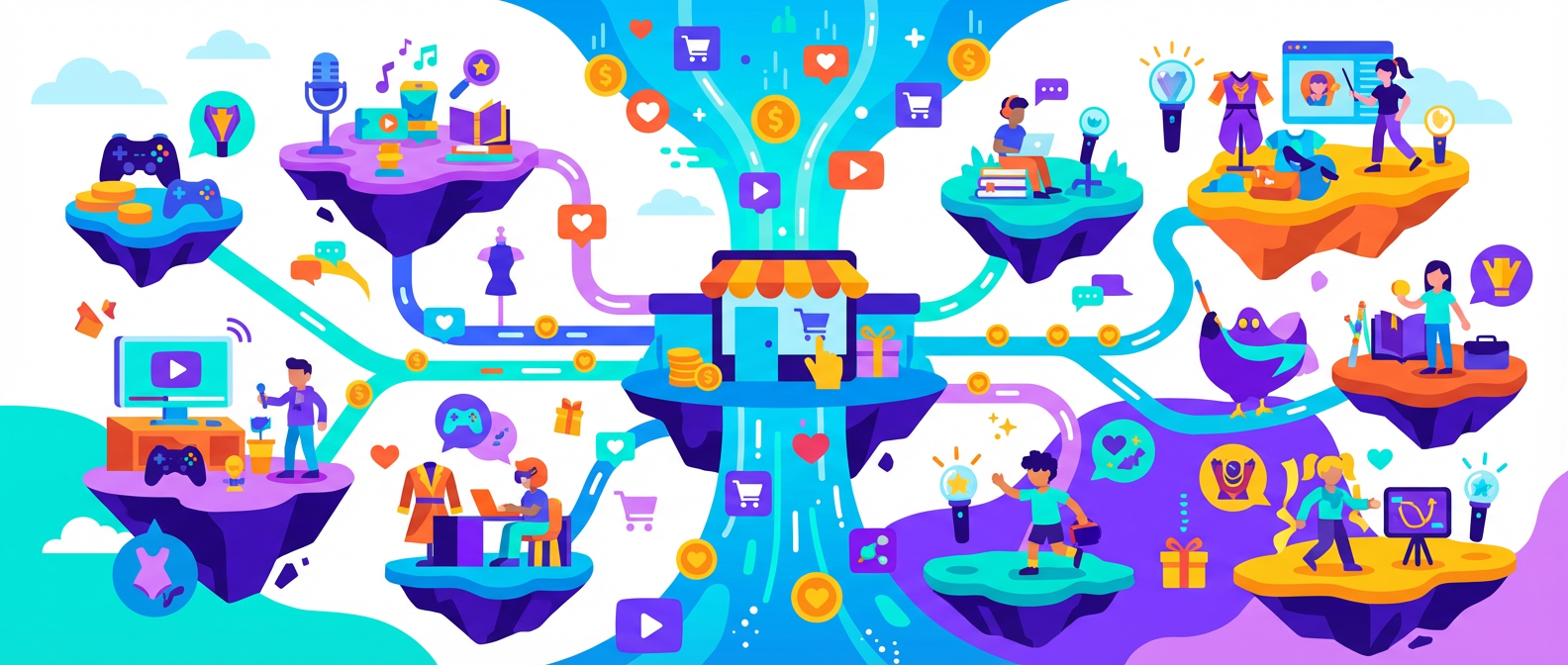
For Gen Z, online community formation has basically replaced geography as how they organize their social lives. Growing up in the same town matters way less than obsessing over the same K-pop group, video game, or streaming series. This has created something that’s never existed before: cultural tribes spanning continents but sharing intimate knowledge of fictional universes, creator personalities, and inside jokes that outsiders would find completely baffling.
These digital spaces work differently than their physical predecessors. They’re more democratic and more hierarchical at the same time, more inclusive and more exclusive. A teenager in rural Montana can become a respected voice in a fandom community through pure knowledge and engagement. Geographic proximity to cultural centers like New York or Los Angeles? Irrelevant. Yet these same communities enforce rigid social hierarchies based on how long you’ve been around, how deep your knowledge goes, and how close you are to creators. Traditional gatekeepers could learn a thing or two.

The Economics of Devotion
What started as organic fan enthusiasm has turned into a sophisticated money-making machine. The global fandom market now pulls in an estimated thirty-four billion dollars annually through merchandise, events, and digital content. This isn’t just consumers buying products. It’s a completely new economic model built on emotional investment and community participation.
The traditional entertainment industry caught on fast. Major corporations now have entire teams dedicated to building and monetizing fan communities. They learned that a passionate core audience willing to buy multiple variants of the same album, attend virtual concerts, and grab limited-edition merchandise can be worth more than a larger but less engaged fanbase. The economics work because fans aren’t just buying products. They’re buying membership in a community and supporting creators they feel personally connected to.
This shift has opened doors for independent creators that simply didn’t exist before. Artists, writers, and musicians can build sustainable careers by growing dedicated followings without traditional industry gatekeepers. Platforms like Patreon, Ko-fi, and OnlyFans have turned fan support into direct creator income. The middleman hasn’t disappeared entirely, but the relationship between creators and audiences has become more direct and financially personal.
The Parasocial Revolution
At the heart of this new economy is a psychological phenomenon that researchers have only recently started to understand: parasocial relationships. These one-sided emotional connections between fans and creators have become the foundation for entire industries. Fans develop genuine feelings of friendship, admiration, and even love for people they’ve never met but feel they know intimately through social media, livestreams, and carefully curated content.
The intensity of these relationships shows up in ways both amazing and troubling. Stan armies coordinate massive streaming campaigns that can manipulate music charts and trend algorithms, demonstrating organizational skills that rival political movements. These same communities can mobilize with devastating effectiveness when they perceive threats to their chosen creators, leading to cancel culture campaigns that have real consequences for careers and mental health.
Researchers studying parasocial relationships have found they meet genuine psychological needs, particularly for young people figuring out who they are. Fandoms provide safe spaces to explore interests, values, and social dynamics. They offer belonging to those who might feel isolated in their immediate physical communities. But this emotional investment also creates vulnerabilities that some creators and corporations have learned to exploit for profit.
The Creative Underground Goes Mainstream
The cultural impact is maybe most obvious in the explosion of fan-created content. Fanfiction platforms now host over ten million stories spanning every fandom you can think of, from Harry Potter to obscure anime series. What once existed in culture’s shadows has become a training ground for the entertainment industry’s future talent.
The fandom-to-professional pipeline has become impossible to ignore across writing, art, and game design. Authors who learned by writing fanfiction have gone on to publish bestselling novels. Artists who built followings drawing fan art now work for major animation studios. Game designers who started creating mods for existing games have founded successful indie studios. The skills developed in fandom communities translate directly to professional creative work, often with built-in audiences ready to support the transition.
This democratization of creative development has disrupted traditional paths to artistic careers. Art schools and writing programs now compete with online communities where aspiring creators can receive feedback, build portfolios, and develop audiences all at once. Know Your Meme culture tracking and similar resources have become essential tools for understanding how these underground creative movements surface into mainstream awareness.
The Double-Edged Digital Sword
This transformation has left casualties in its wake. Independent record stores, local venues, and regional publishing scenes that once nurtured cultural communities have struggled to compete with the immediacy and scale of digital alternatives. The local music scene that gave young people a place to belong and experiment has been partially replaced by online spaces that can feel both more connected and more alienating.
Critics argue that digital fandom culture, for all its benefits, lacks the happy accidents and genuine diversity of physical cultural spaces. When algorithms curate our cultural exposure, we might miss the chance encounters that spark new interests. When we can instantly connect with people who share our exact interests, we might lose the skills needed to bridge differences and find common ground with those unlike ourselves.
But dismissing these communities as shallow or artificial misses their profound impact on how young people develop identity, form relationships, and create meaning. Fandom culture analysis at Vulture and other thoughtful coverage has started taking these spaces seriously as sites of genuine cultural production and social connection.
The internet subculture economy represents more than a shift in how entertainment is consumed and produced. It’s a fundamental reimagining of how communities form, how creativity develops, and how cultural value is created and exchanged. Understanding these dynamics isn’t just important for marketers and content creators. It’s essential for anyone trying to understand how an entire generation has learned to find belonging, purpose, and economic opportunity in an increasingly digital world.