The Algorithm Broke Something We Didn’t Know We Needed
There’s a specific exhaustion that comes from performing for an invisible audience. You learn it around 2016, when Instagram Stories first launched and suddenly every moment became content. By 2024, that exhaustion had grown into something larger: a genuine, measurable rejection of the systems that promised to connect us. A McKinsey analysis of consumer behavior in 2025 found that 54 percent of Gen Z actively reduced their time on algorithmic platforms the year prior, compared to just 31 percent of Millennials. That’s not a trend wobbling at the margins. That’s a generational pivot.

What made this moment distinct wasn’t just fatigue. It was the sudden, almost coordinated realization that the emperor had no clothes. The algorithm wasn’t neutral. It wasn’t your friend. It was a sorting mechanism designed to maximize engagement, which meant it rewarded outrage, comparison, and the carefully curated highlight reel. Gen Z, having grown up entirely within this system, developed an acute immunity to its promises. They’d seen every trick. They knew the game. And they decided, collectively, to stop playing.
The conditions for this shift had been building for years. Attention had become a finite resource, monetized and packaged. Authenticity had become a commodity, something you performed rather than experienced. Community had become an audience. Something had to give.
Invitation as Rebellion: The Architecture of Slowcial Spaces
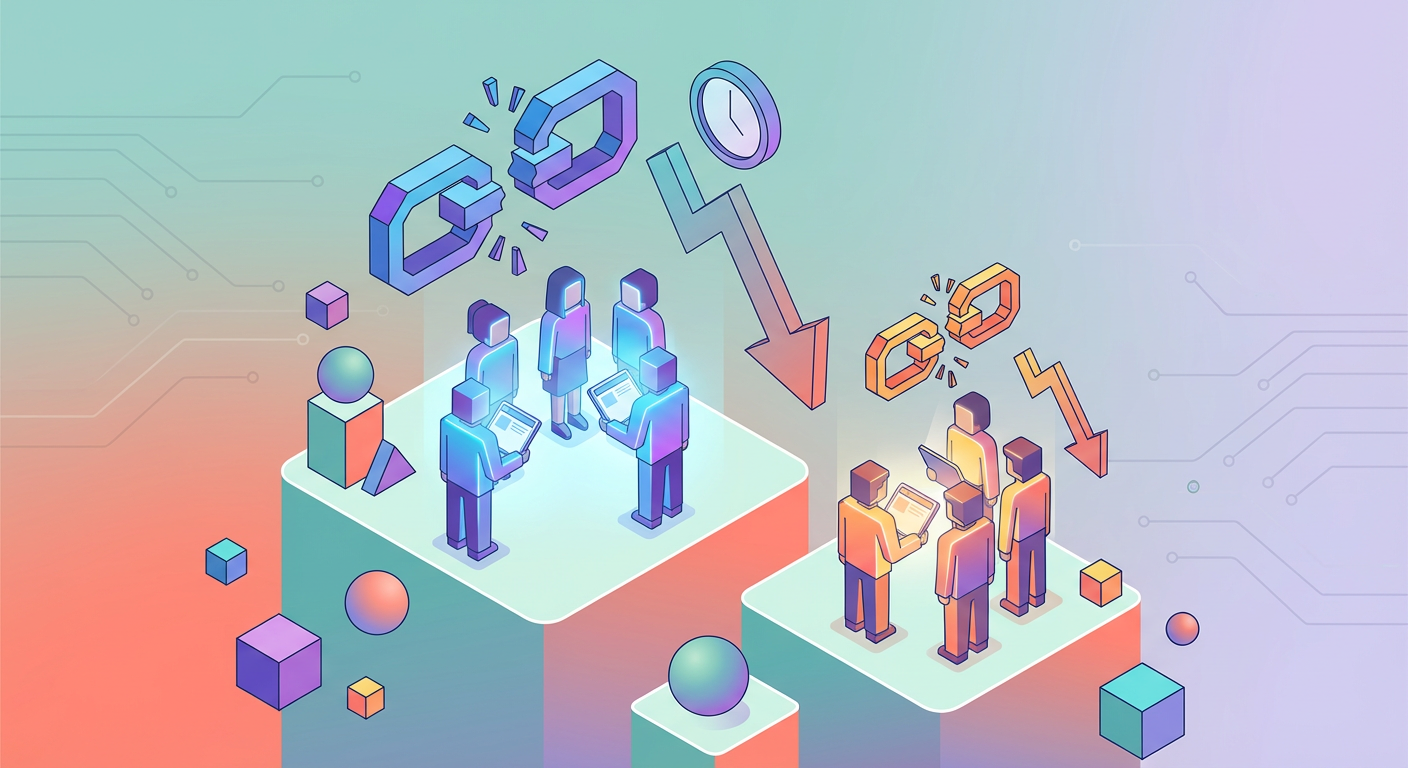
Enter the invite-only cultural space. Not as a new concept, but as a resurrection with new urgency. The term “slowcial media” itself emerged in 2025 from WGSN Consumer Futures Trend Forecasting, signaling a real shift in how young people think about digital culture. Slowcial isn’t about going offline entirely. It’s about creating friction. It’s about reclaiming scarcity.
Locket Widget is a good example. A photo-sharing app designed for close friends that surpassed 30 million downloads in early 2025, Locket’s growth was driven almost entirely by Gen Z users between 18 and 24 seeking connection untethered from algorithmic sorting. The app’s entire value proposition hinges on absence: no feed, no metrics, none of the machinery that turns sharing into performance. Your photos appear randomly on a friend’s home screen widget. There’s no like count. There’s no algorithmic reason it appeared. It’s just there because you sent it to someone you know.
This small design choice reflects a larger philosophy: cultural spaces should have boundaries. Not everyone needs to see everything. Some things are better when they’re small, intentional, and closed off from the optimization apparatus. The rebellion isn’t against technology itself. It’s against the specific form that technology has taken for the past decade.
When Nostalgia Becomes Infrastructure
The irony is almost too good: the platform that best captured this moment deliberately looks like a relic. Partiful Event Platform raised $20 million in Series A funding in mid-2024 by essentially recreating the Facebook Events interface circa 2007. No algorithm. No suggestions based on your browsing history. Just a list of events you’ve been invited to, with an RSVP button and a comment section. By the end of 2024, it reported 400 percent year-over-year user growth.
That rise isn’t nostalgic impulse. It’s the recognition that certain structural choices work better when they’re simple. When an event platform doesn’t try to predict what you might want to attend, when it doesn’t surface events based on engagement metrics, when it simply presents you with invitations from people you know or communities you’ve chosen, something shifts. You attend fewer events, maybe. But the ones you attend matter more. They feel less like content opportunities and more like actual social occasions.
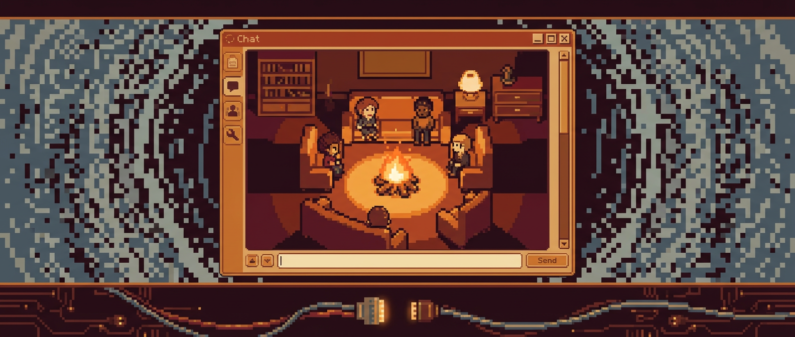
Gen Z is essentially saying: we’ll accept some friction. We’ll accept that we might miss things. Invite-only, obscure group chats, private Discord servers — anything that means the experience isn’t being optimized in real-time by an algorithm trying to maximize engagement.
Discord as Cultural Incubator
The most telling statistic might be this one: private Discord servers used as primary community hubs for cultural topics grew by 60 percent between 2023 and 2025, according to Discord’s own trend analysis. These aren’t auxiliary spaces. They’re where the actual culture is happening. Musicians are building fanbases in private servers rather than on TikTok. Designers are workshopping ideas in closed communities rather than on Instagram. Food writers are building readerships through invite-only Discord channels.
What Discord offers is something the mainstream platforms abandoned: the ability to create a space that exists entirely outside algorithmic logic. A server for people interested in 1990s Japanese fashion can stay small and valuable and never be algorithmically promoted to people who might dilute it. A server for experimental electronic musicians can evolve according to its own internal logic, not engagement metrics.
This isn’t decentralization exactly. Discord is still a private company. But it’s the creation of parallel cultural infrastructure, built within platforms that allow for it. The slowcial movement isn’t anti-digital. It’s anti-optimization. Some of the most interesting culture happens when you’re not trying to maximize reach.
What Happens When Culture Moves Behind Closed Doors
There’s a genuine question embedded in all of this: what’s lost when cultural spaces become invitation-only? The answer, probably, is accessibility. There’s a democratic argument to be made for algorithmic platforms, however flawed their implementation. They do surface work from people without existing networks. They do occasionally make the unknown visible. They do, in their worst moments but also their best ones, create genuine serendipity.
The slowcial movement isn’t entirely solving this problem. It’s creating new hierarchies. Those with established networks, with cultural capital, with the right friends already inside the right Discord servers, will gain access to emerging cultural moments faster. Those outside these networks might find the barriers higher than ever. In rejecting algorithmic mediation, Gen Z might be inadvertently creating a more explicitly exclusive cultural landscape.
But here’s what they’re also creating: spaces where the metric isn’t engagement. Where a musician can release work without thinking about whether it’ll hit the algorithm. Where a photographer can share images without calibrating them for maximum impact. Where a community can evolve according to its members’ actual interests rather than the platform’s financial incentives. That’s not a small thing. That’s potentially the architecture of the next decade of culture.
This feels less like a temporary trend and more like a genuine reset in how Gen Z relates to digital space. They’ve experienced the full arc of social media as a concept: the promise, the delivery, the colonization, and now the rejection. What emerges from here will be more intentional, more bounded, more genuinely social. It won’t be frictionless. It won’t be for everyone. But maybe that’s exactly the point. What cultural shift are you noticing in your own communities? Where are you seeing culture move offline or into closed digital spaces?