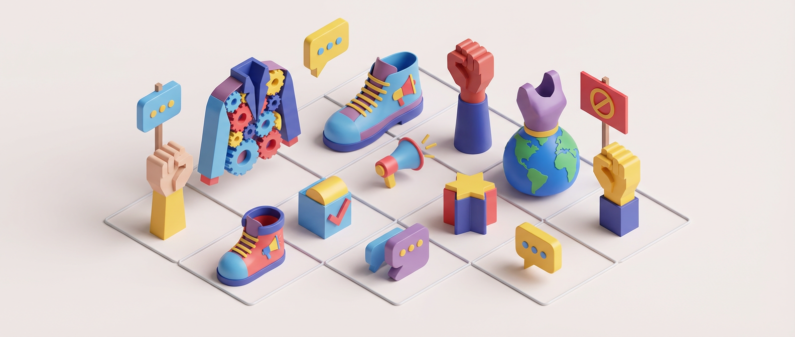
The Performance of Radical Fashion
Walk through any gentrified neighborhood and you’ll spot them immediately: twenty-somethings in perfectly curated “vintage” outfits that cost more than most people’s rent. Safety pins through designer denim, band tees for groups they’ve never heard of, and that studied grunge aesthetic that screams “I’m rebelling against my trust fund.” This is fashion as performance art, where authenticity becomes another commodity to be consumed and displayed.
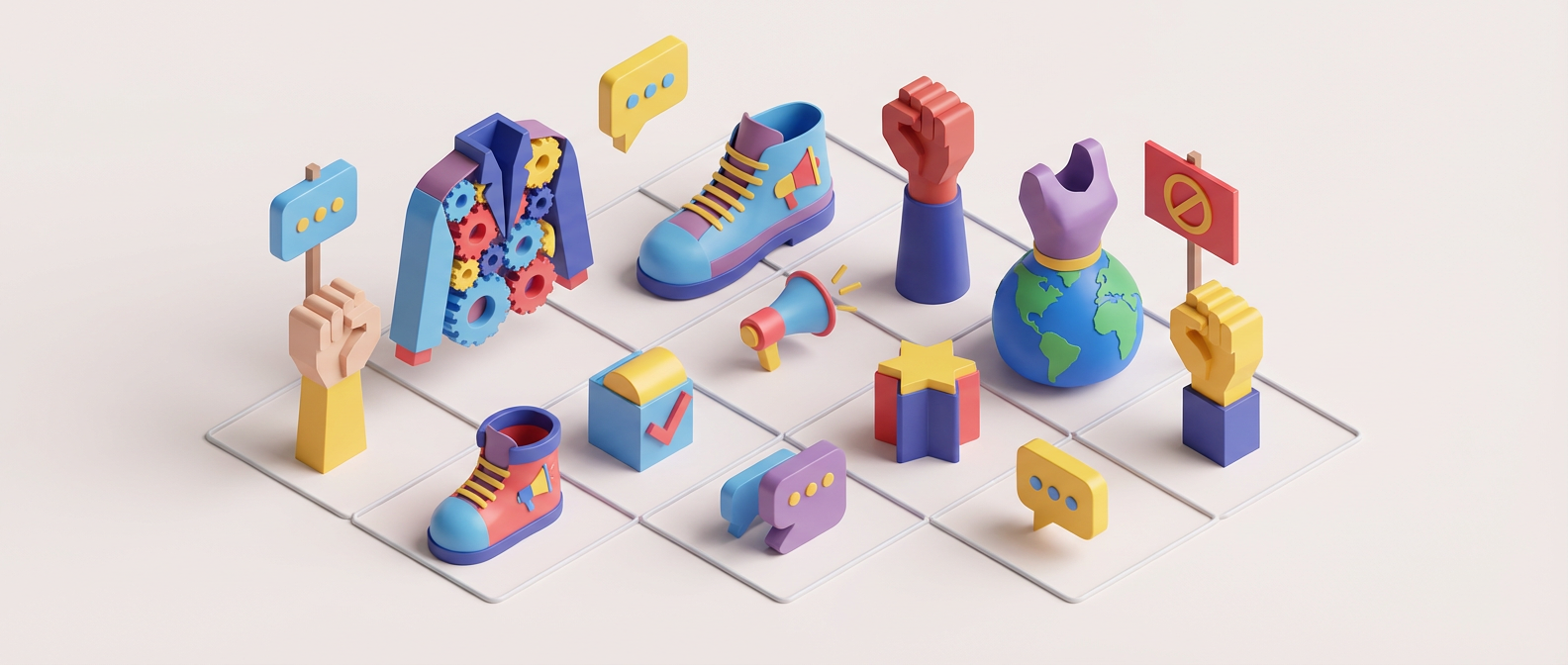
Fashion has always eaten subcultures alive, but social media has turned this into a feeding frenzy. What used to take years for mainstream brands to steal and water down now happens in weeks. That DIY punk aesthetic your friend spent months perfecting? Shein’s already selling a knockoff version for $12.99. The drag makeup techniques that took years to develop in ballroom scenes? Now they’re TikTok tutorials with millions of views.
This goes beyond fashion moving fast. It’s about systematically draining meaning from symbols of resistance. When Urban Outfitters sells a “Destroy Capitalism” t-shirt for $40, we’ve crossed into territory so absurd it would make Guy Debord weep. The spectacle has become so complete that even our critiques of it become products.
The Myth of Sustainable Fashion Politics
Let’s address the elephant wearing organic cotton in the room: your thrift shopping habits aren’t dismantling fast fashion. Yes, buying secondhand reduces demand for new production, but individual consumer choices can’t solve systemic problems. The same energy spent Instagram-documenting your vintage finds could go toward actual political action, like supporting garment worker unions or pushing for legislation that holds fashion brands accountable for their environmental impact.
The sustainable fashion movement often works as elaborate virtue signaling that lets participants off the hook for deeper engagement with the industry’s structural violence. Posting about your capsule wardrobe while ignoring the fact that H&M produces 3 billion garments annually is like trying to empty the ocean with a teaspoon. It feels productive, but it’s a distraction from the scale of change we actually need.
I’m not dismissing individual choices entirely, but we need to be realistic about their limits. The fashion industry’s problems are rooted in capitalism’s demand for infinite growth on a finite planet. No amount of mindful consumption can solve that equation. Real change requires confronting the system that creates these problems, not just shopping our way to a cleaner conscience.
When Subcultures Become Aesthetics
Digital platforms have fundamentally changed how subcultural identity works. What happens when the symbols that once signaled membership in marginalized communities become freely available Amazon purchases? When goth makeup tutorials get 10 million views and Hot Topic stocks punk accessories in suburban malls?
Look at the recent explosion of “alternative” fashion on TikTok. Teenagers mix elements from goth, punk, emo, and scene cultures without understanding the historical contexts that created these styles. They’re not engaging with the music, politics, or communities that gave birth to these aesthetics. They’re consuming the visual language while ignoring the conversations it was designed to facilitate.
This creates a weird kind of cultural flattening where all styles become equally valid “aesthetics” to be tried on and discarded. The safety pin stops being a symbol of punk’s DIY ethos and becomes just another accessory. The combat boot loses its connection to working-class resistance and becomes a fashion statement. Meaning gets stripped away, leaving only the shell of style.
But something interesting happens in this process too. Young people are creating new hybrid identities that don’t map onto traditional subcultural boundaries. They’re mixing K-pop fashion with cottagecore elements and adding their own political messaging. Maybe this represents a more fluid, democratic approach to cultural expression. Or maybe it’s just capitalism’s final victory over authentic culture. Probably both.
The Political Limits of Personal Style
Fashion has always been political, but we need to be honest about what that politics can and cannot accomplish. Wearing a Black Lives Matter t-shirt isn’t the same as showing up to a protest or donating to bail funds. Painting your nails as a gender expression statement is beautiful and valid, but it won’t dismantle the systems that police gender in the first place.
The emphasis on fashion as political expression often substitutes symbolic action for material change. It’s easier to buy a shirt with a radical slogan than to organize your workplace or attend city council meetings. The fashion industry has become remarkably skilled at monetizing our desire for political expression while ensuring that expression remains safely contained within consumer categories.
This doesn’t mean fashion can’t be genuinely subversive. When drag performers use clothing to challenge gender binaries, when protesters dress to protect their identities, when marginalized communities create styles that celebrate their existence in hostile environments, fashion becomes a tool of resistance. But these examples work because they’re connected to broader movements and communities, not isolated acts of individual expression.
Beyond the Wardrobe: Real Cultural Work
The most interesting fashion happening right now isn’t in stores or on runways. It’s in community spaces where people are creating new forms of expression outside capitalist frameworks. Clothing swaps that build neighborhood connections. DIY workshops that teach actual skills instead of selling lifestyle brands. Collaborative projects that center voices usually excluded from fashion discourse.
These spaces understand that changing how we dress requires changing how we live. They recognize that fashion is social before it’s individual, that style emerges from communities rather than marketing departments. They’re doing the slow work of building alternative systems instead of just critiquing existing ones.
The path forward isn’t through better consumption choices but through creating different ways of relating to each other and to material culture. This means supporting local artisans, learning repair skills, sharing resources, and building communities that value creativity over consumption. It means recognizing that the most radical thing you can wear is probably something you made yourself or received from a friend.
What’s your relationship to fashion as political expression? Are you performing radicalism or living it? The distinction matters more than you might think.