The Instagram-Worthy Revolution
Walk into any gentrified neighborhood and you’ll find them: the carefully curated market stalls selling $8 heritage tomatoes, the pop-up with hand-painted signs about “decolonizing your palate,” the coffee shop where baristas wear vintage band tees and discuss mycorrhizal networks between pour-overs. These spaces market themselves as revolutionary, as somehow existing outside capitalism’s reach, but they’re perhaps the purest expression of how the market absorbs and monetizes every form of resistance.
Food justice movements began as genuine grassroots organizing. Communities of color fighting food apartheid. Migrant workers demanding fair wages. Indigenous groups reclaiming traditional foodways. These weren’t lifestyle choices or aesthetic movements. They were survival strategies born from material conditions of exploitation and neglect.
But somewhere between the community garden and the $200 tasting menu featuring “forgotten grains,” something fundamental changed. The language of food justice got lifted, sanitized, and repackaged for consumers who wanted to feel revolutionary without actually challenging any systems of power. Now you can buy your way into the movement, one artisanal purchase at a time.

The Aestheticization of Struggle
The most maddening part isn’t that these movements got co-opted. It’s how the co-optation happened through the very medium the movements were trying to address: food itself. Take fermentation culture, which has exploded over the past decade into a lifestyle brand complete with $300 ceramic crocks and subscription boxes for “wild” starter cultures that cost more than many families spend on groceries in a week.
Traditional fermentation wasn’t a hobby. It was preservation technology developed by communities without access to refrigeration, often under conditions of scarcity or siege. Korean families fermenting kimchi in underground pots during Japanese occupation weren’t doing it for gut health optimization. They were doing it to survive winter and maintain cultural identity under violent suppression.
But watch any contemporary fermentation workshop and you’ll hear breathless discussions of “ancient wisdom” and “connecting with our ancestors” from people whose ancestors probably had refrigerators. The material conditions that necessitated these practices have been stripped away, leaving only the aesthetic and the consumer experience. It’s cosplaying subsistence while maintaining all the comforts of abundance.
This pattern repeats across every supposedly radical food movement. Foraging becomes a $150 guided tour for tech workers. Nose-to-tail eating becomes a mark of sophistication rather than necessity. Wild food procurement transforms from survival skill to Instagram content, complete with hashtags about “reconnecting with the land” posted from smartphones manufactured by child labor.
The Privilege of Purity
Perhaps nothing shows this dynamic better than the contemporary obsession with “clean” eating and food purity movements. These movements, often led by wellness influencers with expensive educations and inherited wealth, promote the idea that individual dietary choices can somehow transcend systemic problems. Eat organic, shop local, avoid processed foods, and you can opt out of industrial agriculture’s violence.
This framing is seductive because it offers agency in the face of overwhelming systems. But it’s also profoundly individualistic and, frankly, privileged. The mother working two jobs who feeds her kids McDonald’s because it’s what she can afford and access isn’t making a moral failing. She’s navigating structural constraints that “clean” eating advocates rarely acknowledge, much less address.
Meanwhile, the same movements that demonize processed foods often celebrate high-end versions of the exact same processing techniques. Fermented vegetables are virtuous unless they’re mass-produced sauerkraut. Cured meats are artisanal unless they’re hot dogs. The difference isn’t in the process but in the price point and the cultural signifiers surrounding the product.
This selective purity politics creates a hierarchy where traditional foodways are celebrated when practiced by the right people in the right contexts. A Korean grandmother making kimchi represents authentic culture. A Mexican family making hot sauce to sell at a farmers market represents entrepreneurial spirit. But mass production of these same foods becomes corporate exploitation of tradition. The line between celebration and appropriation depends entirely on scale and profit margins.
Underground Alternatives and Their Limits
The response to this commodification has been predictable: a retreat into ever-more-underground spaces and practices. The dinner parties in converted warehouses. The invitation-only supper clubs. The secret menus and hidden speakeasies. These spaces attempt to create genuine community and authentic experience outside market logic.
I’ve been to these events. The food is often exceptional, the conversations meaningful, the sense of discovery genuine. There’s something powerful about sharing a meal that exists outside consumer culture’s reach, where the primary currency is social connection rather than economic transaction.
But exclusivity isn’t the same as resistance. These underground scenes often reproduce the same social hierarchies they claim to reject, just with different gatekeeping mechanisms. Instead of economic barriers, there are cultural ones: knowing the right people, having the right aesthetic sensibilities, performing the right kind of radical politics. The revolution becomes another form of social capital.
More troubling is how these scenes can become laboratories for the next wave of commodification. Today’s underground dumpling pop-up becomes tomorrow’s restaurant empire. The secret sauce recipe becomes next year’s shelf product. The intimate dinner party format becomes the template for the next wave of experiential dining. Capital doesn’t just absorb resistance, it studies it, refines it, and sells improved versions back to the market.
Beyond Consumer Choice Activism
None of this means food can’t be a site of genuine resistance or community building. But it requires being honest about the limitations of consumer-based activism and the ways market logic shapes even our most radical intentions. Real food justice work happens in policy advocacy, labor organizing, mutual aid networks, and community land projects. It’s less photogenic and more politically demanding than lifestyle-based approaches.
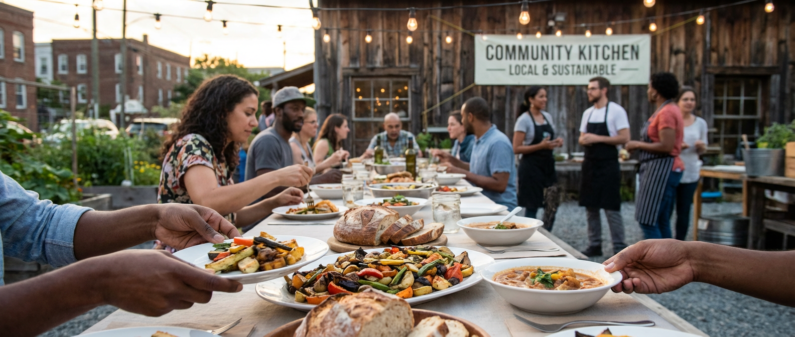
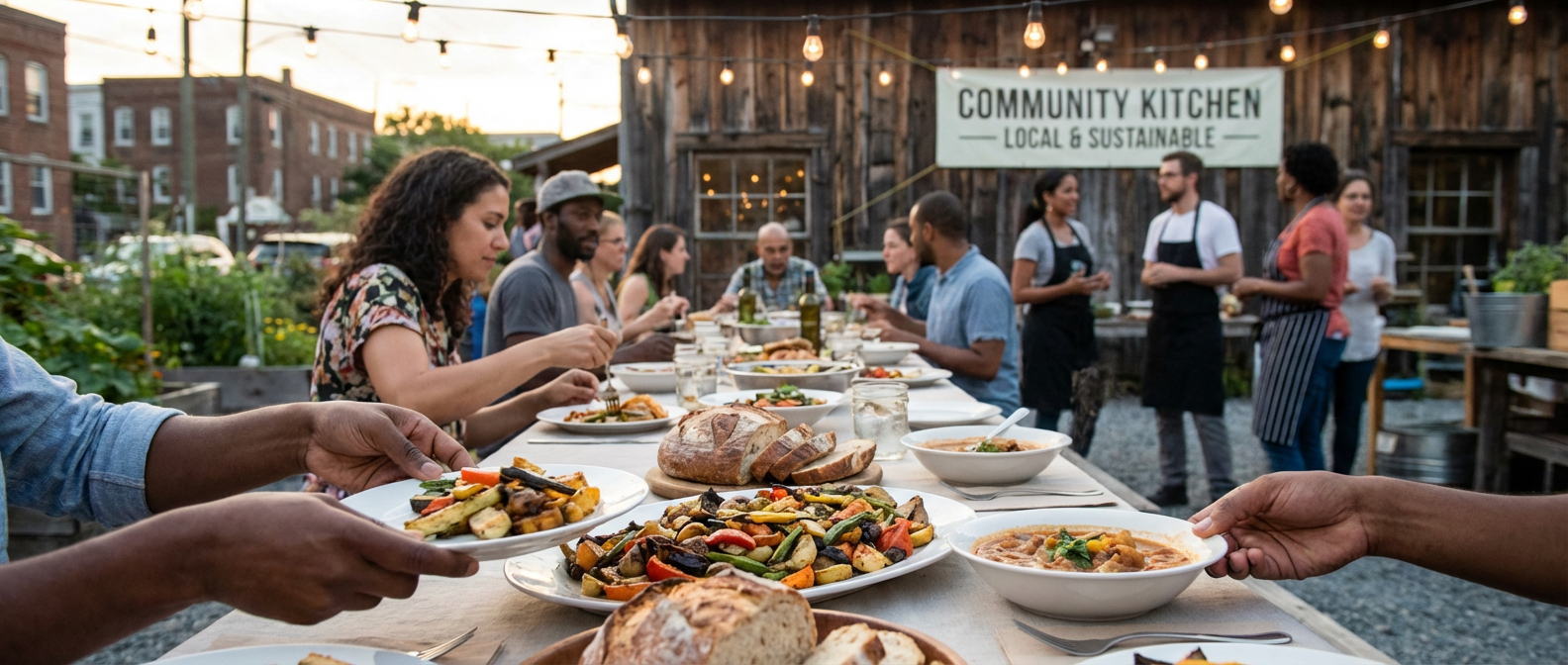
The most interesting food spaces I’ve encountered lately don’t try to exist outside capitalism so much as they acknowledge its constraints while building something different within them. Community kitchens that focus on food access rather than food experience. Cooperatives that prioritize affordability over aesthetics. Gardens that grow calories, not just Instagram content.
What would it look like to engage with food culture in ways that don’t just reproduce consumption patterns with better marketing? How do we move beyond the false choice between corporate food systems and boutique alternatives that remain accessible only to those with significant cultural and economic capital?
These aren’t questions with easy answers, and maybe that’s the point. The discomfort of sitting with these contradictions, of acknowledging our complicity while still trying to do better, might be more honest than the comfort of purchasing our way to ethical clarity. What uncomfortable truths about your own relationship to food culture are you ready to sit with?